


2025 Statehouse Snapshot: Week 10
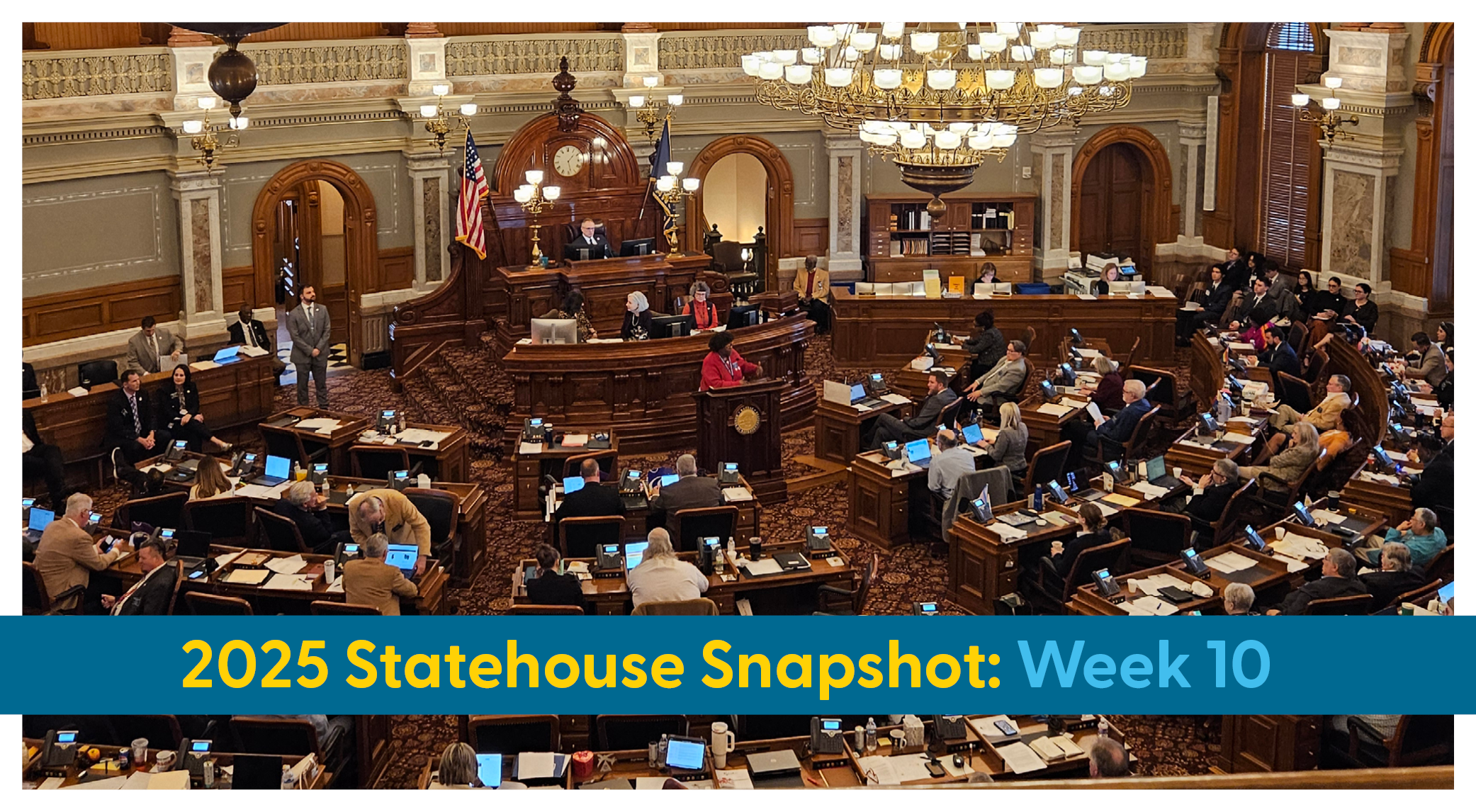
(Photo: Rep. Brownlee-Paige speaks passionately in opposition to SB 79, which would effectively ban SNAP recipients from purchasing candy/soda with benefits.)
Kansas Action for Children | March 21, 2025
Want to receive this weekly recap as soon as it's released? Sign up for our emails here.
Reflecting on This Legislative Session
With the 2025 session just about seven business days from being complete, we are looking back at the past few months and what has transpired.
The Legislature began the session with plans to meet an expedited timeline, resulting in countless hasty decisions that have and are likely to become law. Instead of being able to pause and truly think of the consequences of what’s being rushed to the Governor’s desk, lawmakers have continually limited further review of proposals just to meet legislative deadlines.
The newly set pace of the legislative session has resulted in many Kansas voices being silenced, as there was often no time for everyday Kansans to weigh in on bills through testimony or public comment.
There have been rumblings about the 2026 legislative session following the same timeline. Even as we begin to wrap up this year, we are looking toward the future. With such compressed timelines to make connections with elected officials, the “off season” is the best time to start.
If you’re looking to get more involved, one of the best places to start is to request a meeting with your state lawmakers when they are back home and share what you want them to prioritize in the year ahead. Those conversations are more likely to stay top of mind when lawmakers reconvene next January.
Child Care Bill Moves to Senate
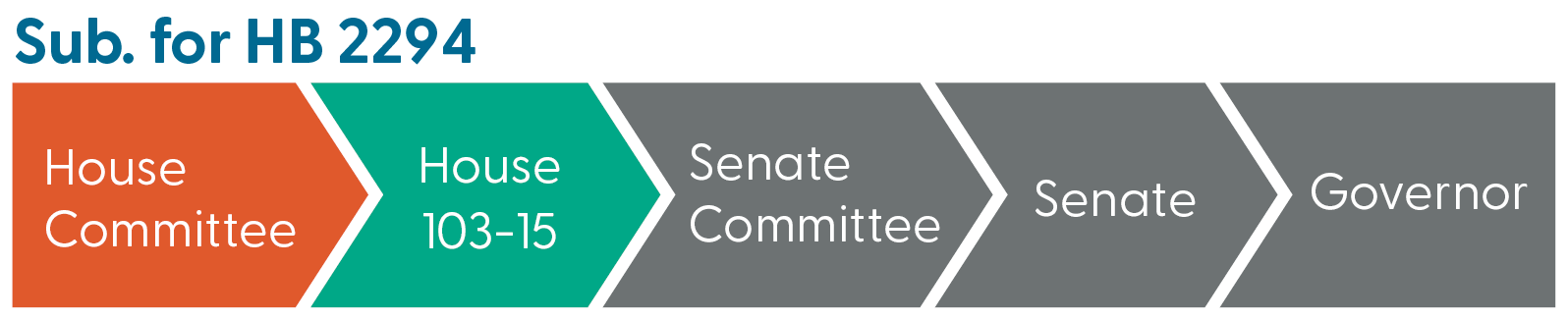 This week brought attention to Sub. for HB 2294 as it progressed through the House at a vote of 103-15. While we supported the previous bipartisan compromise, the work by the House Committee on Commerce, Labor and Economic Development made this bill into something we can no longer support.
On Monday, the Committee added two amendments that loosen vaccination requirements and could lead to deregulation of child care settings.
The first amendment included a provision changing the threshold allowed before requiring licensure for child care operation. By changing the bill’s language to prohibit the state from reducing the licensure threshold below 35 hours for up to four children (two of which can be infants), future administrations could use this provision to further deregulate child care. When this amendment was presented, one lawmaker even alluded to a future administration increasing the number of hours before someone is required to be licensed. This change ignored the child care community’s feedback and excluded the voices of the experts in the field.
 The other amendment changed a definition in the child care statute to essentially allow for philosophical exemptions concerning vaccines. Despite not having been discussed in any other legislation this session and not being requested in the bipartisan compromise, the definition will now be “sincerely held religious beliefs” that include “theistic and non-theistic moral and ethical beliefs.” States allowing something equivalent to a philosophical belief exemption have seen declining vaccination rates. We know that when vaccine rates go down, vaccine-preventable diseases spread more easily in close settings such as child care environments and schools.
Parents have had access to religious exemptions for vaccinations in child care settings for decades, so procedures already exist for a parent to opt out when they enroll their child in an early childhood environment. At a time when there are 10 measles cases in Southwest Kansas and other states that have even seen deaths, now is not the time to loosen any immunization requirements.
It is our opinion that anything favorable in this bill, like streamlining child care programs into a single state entity, does not outweigh the likely erosion of safety standards in child care settings. As Sub. for HB 2294 progresses to the Senate next week, we hope that lawmakers will reexamine these new amendments and work with stakeholders to create a proposal we can all support.
Tax Saga: A Story to ‘TEL’
While several pieces of property tax legislation have been proposed and passed through one chamber or the other, the House and Senate remain firmly at odds on a path forward for tackling the burden of property taxes. And despite constituents’ demands for property tax relief, the Kansas Legislature is now focusing its attention on income taxes.
 Both sides of the Statehouse seem united in pursuit of a flat income tax, as the policy cleared both chambers yesterday. Based on the vote count, it seems all but certain that the Legislature is poised to set Kansas on the path to a single income tax rate for all corporations and individuals.
Though the House version includes some fiscal safeguards, SB 259 and HB 2318 each use excess tax revenues to stair-step the state down to a single income tax rate. This would limit state revenues for years and be very difficult to reverse in the future.
 These flat tax proposals seem at odds with another measure passed by the Senate, which would cap the amount of expenditures made by the state. What may sound like a reasonable idea is, in reality, quite problematic. Tying growth in government spending to the rate of inflation and population growth, as in SB 181, ignores the fact that the cost of services the government provides to the people do not mimic the overall rate of inflation.
Materials to build roads and bridges, health care for children and the elderly, and social support programs like food assistance are just a few examples of the critical services that will be endangered by placing arbitrary caps on the state budget.
Restrictive tax and expenditure limitations (TELs) like these remove the opportunity — and responsibility — lawmakers have to modify the budget in response to constituent priorities and economic changes.
We know this because similar schemes have been tried in many states before, including Colorado’s so-called “Taxpayer Bill of Rights,” also known as TABOR.
This policy has previously led to suspension of the state’s vaccination program, higher rates of uninsured children, and cuts to K-12 funding. It should be no surprise, then, that voters in more than 25 states, including Kansas, have rejected TABOR-like proposals since 2004. Should the bills passed this week become law, the funding gaps will only increase for programs like K-12 special education and health care for children, people with disabilities, and low-income Kansans in the coming years.
House, Senate Pass Bills Targeting Assistance Programs
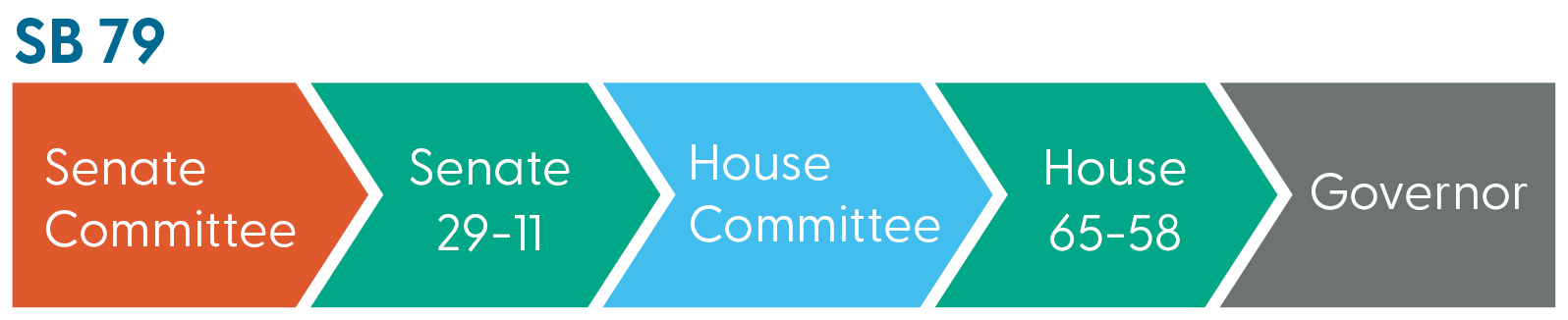 It was encouraging to see so many lawmakers listen to the concerns advocates had about the candy and soda ban (SB 79) and recognize the unintended impacts this would have on Kansans, as the bill barely received the simple majority it needed to pass the House (65-58).
But even if SB 79 receives a veto from the Governor, Kansas could unfortunately still see this policy move forward due to a budget provision that holds hostage the funding for the Summer-EBT program until the Department for Children and Families (DCF) asks the federal government for permission to disallow those purchases.
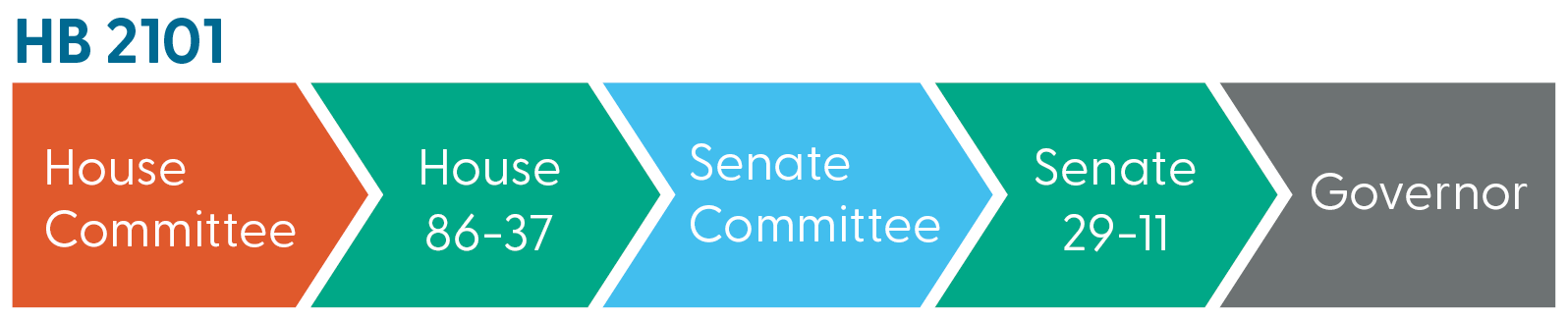 The Senate considered a few of the bills we’ve been watching. HB 2101, which would prohibit municipalities from instituting basic income programs, passed the Senate 29-11. Even though the bill has received supermajority level of votes in both chambers, we still hope to see a veto from the Governor, as this strips away the autonomy of democratically elected bodies to create beneficial programs for their constituents.
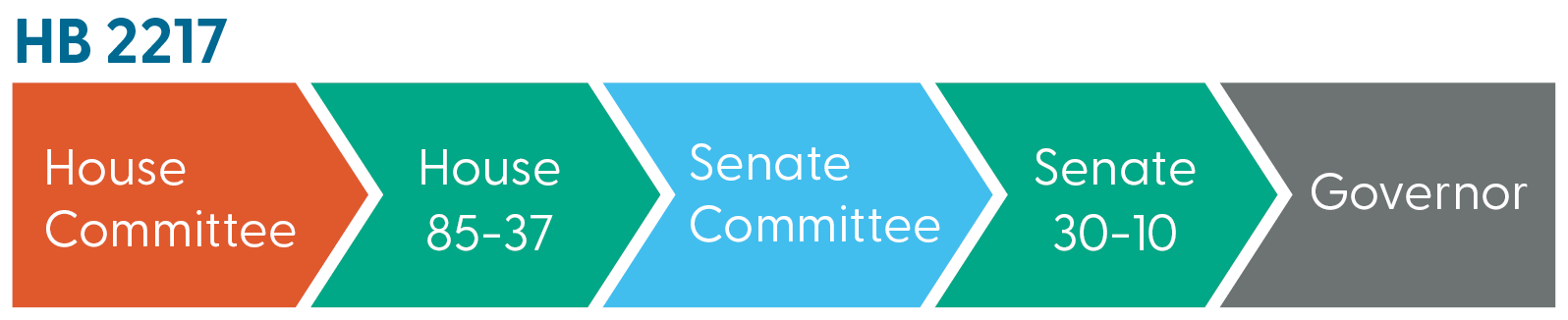 The Senate also passed HB 2217 30-10. This bill would expand the scope of the Medicaid Inspector General’s Office to also audit food assistance and cash assistance. This bill further leans into the false narrative that Kansans, who are struggling to make ends meet, are constantly trying to defraud the government. In reality, the Medicaid Inspector General’s Office has only found seven cases of Medicaid fraud since 2021. Food assistance and cash assistance are already audited – and will continue to be audited – by DCF, so this would be a duplicative effort to root out fraud that largely doesn’t exist at an additional cost of $1 million per year for Kansas taxpayers.
On a positive note, HB 2378 was not voted out of the Senate Judiciary Committee, making its future unlikely (at least for this year). This “Removal of Squatters Act” includes a loophole for landlords to evict tenants without going through the formal eviction process in court.
KAC was the only opponent when a hearing was held in House Judiciary, and it passed through the House with little resistance. By the time it made it to the Senate, our concerns had risen to the surface and more testimony highlighted problems with the bill. While there is potential for it to pop back up yet this year, Committee members seemed hesitant to move this legislation forward due to advocates’ concerns.
Assortment of Health Bills to Watch
Sub. for SB 29 (prohibiting bans on public gatherings, as well as other changes that could more easily overturn public health restrictions during infectious disease outbreaks) heads to the Governor’s desk, after the House passed it 88-36 and the Senate agreed to the House changes 31-9.

Meanwhile, the Senate passed Senate Sub. for HB 2240, which the Senate Government Efficiency Committee gutted and inserted the contents of SB 161, which restricts state agencies’ authority to make certain changes to public assistance programs without legislative approval. If this legislation becomes law, federal funding could be threatened, timely responses delayed, and additional layers of bureaucracy created. The bill now likely goes to the negotiating table with the House next week.
As conference committee week begins, with a health conference committee scheduled early Monday, we will be watching closely for any continued forward progress on House Sub. for SB 126 (which includes the CHIP eligibility fix and updates to the newborn screening program), as well as any additional proposals that may come up impacting the health of kids and families.
What to Expect in Week 11

Next week is the Legislature’s last week of work before they go on a short break. Starting Monday, they will begin “conference committees,” through which the chambers negotiate their differences on similar pieces of legislation. When these deals hit the floor after being brokered by three lawmakers (two Republicans and one Democrat) from each chamber, no amendments can be added, and lawmakers can only give an up or down vote.
Because of this process, any bills that enter conference committees can easily and quickly be an entirely different version than what it entered as. Some issues that we expect to go to conference include:
-
Health. The House passed House Sub. for SB 126 last week. This measure includes several non-flashy policies that have been addressed through the budget process in previous years. If passed, this bill would make them permanent.
-
Public Assistance. The Senate seems dedicated to grabbing oversight over all public assistance waivers instead of just Medicaid, as the original version of Senate Sub. for HB 2240 previously dealt with. It will be interesting to see how strong the House holds to limiting its oversight to just Medicaid or if the additional program oversight will be welcomed by House negotiators.
-
Budget. With the Senate passing the budget bill earlier this week, there are some stark differences between the two chambers’ budget positions. From special education and child care pilot programs to economic development funds and bonding projects, finding a compromise could be difficult.
-
Taxes. Both chambers have passed property tax and flat income tax plans, and there could be some strongarming or backroom trades to get to an agreement on either. We hope both sets of negotiators will remember that flexibility, fiscal health, and targeted relief for those most in need are the best measures by which to consider effective and efficient tax policy.
-
Child Care – Potentially. While the Senate has not yet considered a child care bill this session, there is potential for the chamber to tack on Sub. for HB 2294 to another bill in conference committee to bypass the hearing process on the Senate side. We hope this does not end up being the case so Kansans can have their voices heard through providing testimony.
You can always visit the Legislature’s website and look up the bills you care about to see where they’re at in the process. And get day-to-day updates on what bills KAC is monitoring during the 2025 Session here.
Share

