


2026 Statehouse Snapshot: Week 6

Kansas Action for Children | February 20, 2026
Want to receive this weekly recap as soon as it's released? Sign up for our emails here.
2026 Session Halfway Done
The Legislature finished its work in anticipation of the Turnaround deadline yesterday, which is when both chambers must pass on most of their bills to the other side of the Statehouse for further legislative work. Measures that don’t advance by this point are typically considered “dead” for the year, making Turnaround one of the most consequential milestones of the session.
Turnaround also marks roughly the halfway point of the legislative calendar. It offers a natural moment to pause and assess what has moved forward — and what that says about lawmakers’ priorities. Over the past several weeks, we’ve seen significant activity on proposals that would directly affect children and families. Throughout the rest of this newsletter, we break down many of the key bills that cleared this hurdle and explain what they could mean for kids and families.
Just like last year, what stands out now is not just what has advanced this session, but how quickly they have moved. When legislation touches health care access, child nutrition, or housing, speed should not replace careful deliberation. Meaningful public input and thoughtful committee debate are essential to crafting sound policy — especially when vulnerable populations will be impacted.
While legislative committees only have 16 working days left before the next major deadline, there is still time to slow down and complete their work the right way. In the coming weeks, we hope lawmakers take the time to seek out expertise and listen closely to families and professionals with lived experience.
As we enter the second half of the session at the Kansas Legislature, everyday Kansans must stay informed about what’s unfolding in Topeka — and be ready to engage when it matters most. The decisions made in the weeks ahead will shape opportunities and outcomes for children and families across our state for years to come.
Housing Policies Reach Critical Point
Rental housing has been an area of bipartisan focus this session, with members from both parties introducing nearly two dozen bills to address the issue. Of the 23 bills we’ve been tracking, 21 would provide renters with more affordable, safe, and stable housing options. After the Turnaround deadline, however, only three (SB 415, HB 2357, and HB 2768) of those 21 good housing bills are able to move forward.
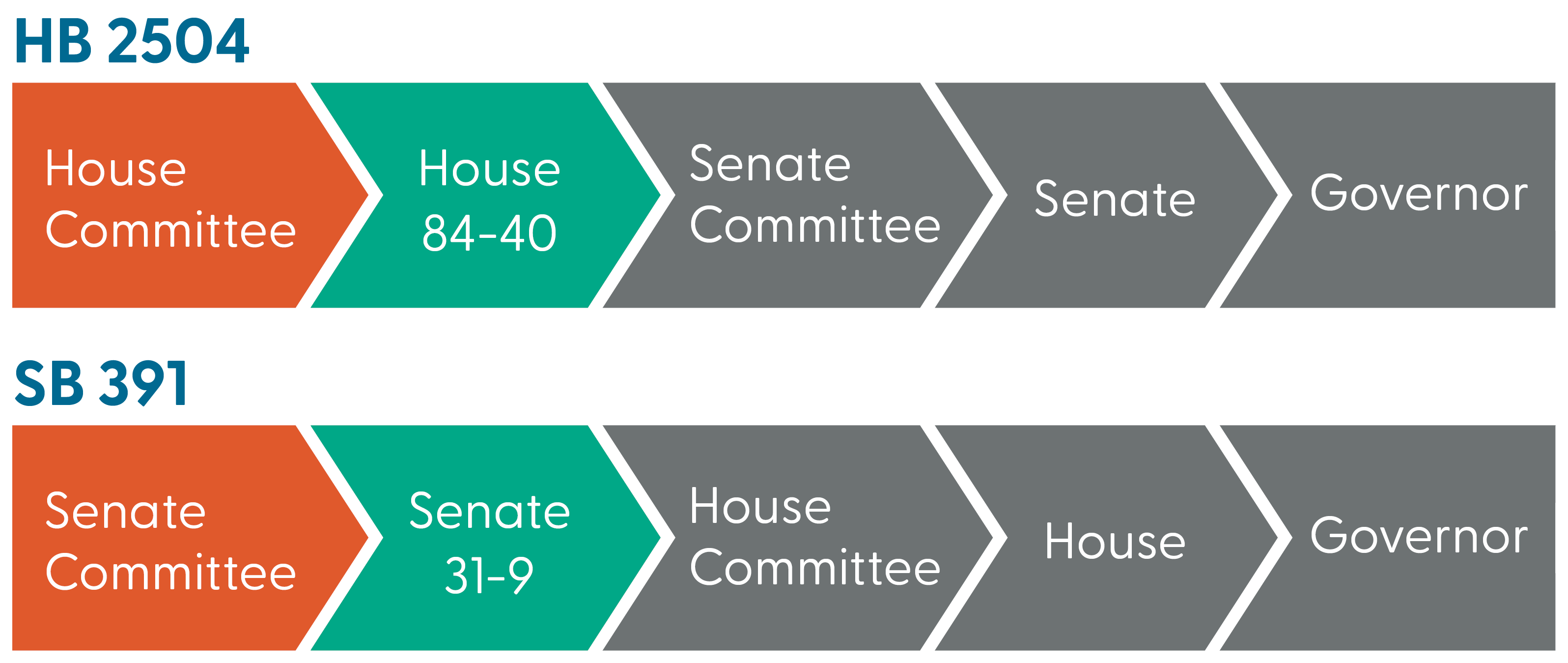 Sadly, at this time, the two bills that are harmful to renters (HB 2504 and its Senate companion, SB 391) are most likely to become law. Both bills would prohibit cities and counties from adopting local ordinances that require landlords to accept Section 8 Housing Choice Vouchers (HCVs). Throughout the state, more than 11,000 low-income families rely on HCVs to help with rent every month. But amid rising rent prices, lawmakers sided with a handful of special interests over thousands of everyday Kansans who struggle to pay the rent.
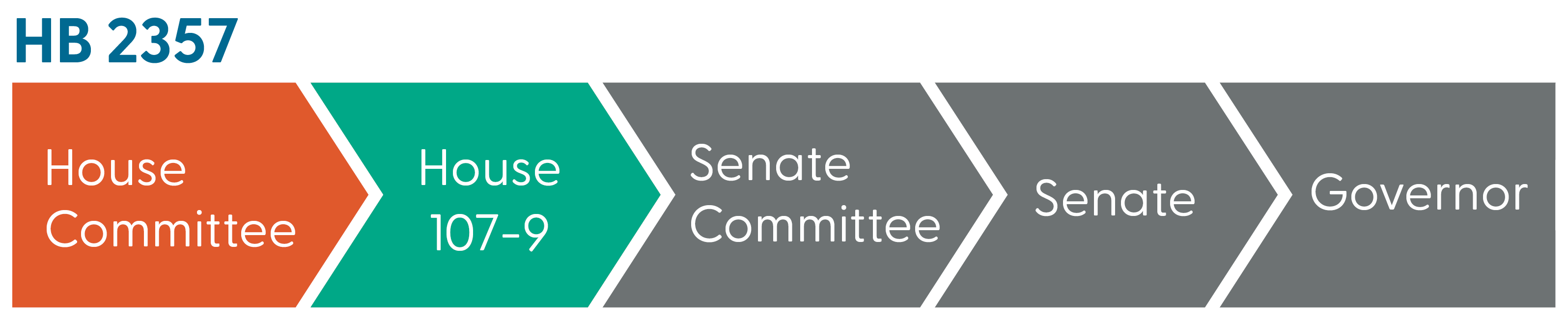
Despite this prioritization, there is still hope that good housing bills will prevail. HB 2357 successfully passed out of the House this week and would allow Kansas renters to expunge eviction records after three years, which would help them in any future searches for housing. We’re also excited to learn that HB 2768, which would require all automated rent payment portals to accept partial rent payments, will have a hearing in the House Commerce Committee next week. This policy would make it easier for charitable organizations to pay part of the rent when Kansas families fall on hard times.
Safe, stable housing is critical for the health and well-being of Kansas families. As the Legislature continues its work this session, we will continue advocating for housing solutions that put Kansas families first.
Overwhelming Support for Good Health Policies
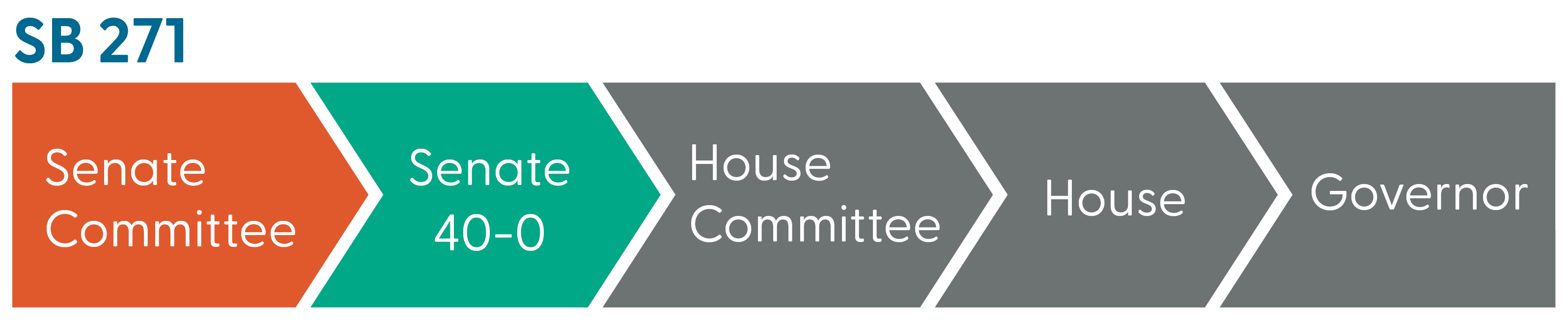
After years of advocating for a permanent fix to the Children’s Health Insurance Program (CHIP), we are celebrating the passage of SB 271 in the Senate. We now wait to see the House’s approach on this issue, as they already have a position on this issue from a different but nearly identical bill passed in 2025.
Additionally, the Senate also unanimously passed SB 448, which would permit the use of expedited partner therapy to treat a sexually transmitted disease (STD). STDs transmitted to moms-to-be can cause severe complications or even death to their newborns. Allowing physicians to prescribe medication to a patient’s partner will potentially limit the number of diseases in the community. This is the first time this bill has passed the Senate since public health advocates started working on this issue several years ago.
Finally, the House unanimously passed HB 2555, requiring reporting and transparency to several legislative committees regarding the state’s participation in the Rural Health Transformation Program. This bill is good legislation because it requires information to be shared and reviewed without threatening the state’s participation in this important program. With robust participation over the next five years, the state can begin to transform the state’s rural health care system for the good of Kansas families.
As these bills move on to the other chamber, we hope this unanimous support continues and each gets across the finish line by the end of session.
Modernizing the Funding Stream for the CIF through Vaping Taxes

Because bills run through the tax committees are exempt, there was no pressure to get any passed during Turnaround. However, while there wasn’t much in terms of floor action, there was an exciting introduction that we’ve been waiting for all session. HB 2783 would increase the tax on consumable material for electronic cigarettes – vape juice – and credit the additional revenue to the Children’s Initiatives Fund (CIF).
This bill would raise the tax, currently set at five cents per milliliter, to fifteen cents per milliliter. The revenue derived from the additional ten cents is what would be sent to the CIF, where it will be used to improve outcomes for tens of thousands of children across Kansas.
The needed additional revenue that this tax could generate would enable the CIF’s essential early childhood programs to expand their reach and support more Kansas children in their earliest years.
First Full Budget Drafts Ready for Floor Action
Now that the House and Senate budget committees have both finished their work on their initial budget drafts, both chambers are set to work those bills soon – potentially even next week. Once passed on the floor of each chamber, the bills will head to conference committee where six legislators (three from each side) will iron out the differences and create a shared bill.
As they stand now, here are a few key items that are the same in both the current House and Senate budget bills:
-
Kansas Preschool Pilot Program. Both bills have swapped funding for this program from the Children's Initiatives Fund (CIF) to federal TANF funds. While this lessens the burden on CIF, TANF is not a sustainable funding source and has requirements that could have unintended consequences for the program.
- Office of Early Childhood (OEC). Both bills include transfers from existing agencies and start up expenditures as recommended by the Governor, allowing the agency to get started on the right foot.
A few items that will likely need to be ironed out in conference, however:
-
SNAP Administrative Costs. The Department for Children and Families (DCF) requested $12.1 million to fund the increased state share for SNAP administrative expenditures. While both bills currently include the funds, the Senate version requires DCF to comply with federal SNAP data requests before gaining access to them.
- SNAP Candy and Soda Waiver Implementation. The Senate bill includes language to withhold funds for Summer EBT until DCF has implemented a waiver banning SNAP benefits from being spent on candy and soda. The House bill withholds $10.0 million from the DCF budget to be returned when the candy/soda waiver has been approved and implemented. Regardless of where lawmakers fall politically on the candy/soda ban waiver, relying on the federal government for approval before DCF can access Summer EBT funds is not good policy.
SB 363 and the Work Ahead
Since the hearing on SB 363 last week, the Senate Committee on Government Efficiency has yet to work and vote on the bill before it goes to the full Senate. As a reminder, SB 363 is a harmful public assistance bill that would add numerous administrative hurdles to verify every aspect of how people qualify or renew enrollment for Medicaid, SNAP, and more. It also places onerous and expensive requirements on state agencies that will cost nearly $20 million to implement each year, including requiring the hiring of hundreds of additional staff.
The Committee’s work was delayed by legislative schedules and deadlines this week, but we still expect it to move forward next week
Media coverage continues to highlight the severe impacts this bill will have on Kansans applying for and renewing coverage for critical assistance programs. Our partner, the Alliance for a Healthy Kansas, published a podcast titled “Paperwork over People” that highlights opponents’ concerns about the bill.
Instead of SB 363, we believe there is opportunity for the Legislature to take a deep look at the existing public assistance eligibility system and how the state could make it better for the Kansans accessing these necessary programs.
Senators must prioritize hearing from and listening to Kansans who already experience lengthy delays in getting applications approved, never receive time-sensitive paperwork via mail, and lose coverage for themselves and for their children through no fault of their own. Kansans require improvements to the existing system – not additional paperwork and more frequent checks.
If you have a story to share about struggles navigating the current systems for SNAP, Medicaid, and more, contact the Committee’s senators directly before Tuesday. Or share the story with us here, and indicate you want us to send it to the Committee members on your behalf. We will not share it without your permission.
What to Expect in Week 7

With the Turnaround deadline past, the work now starts over for dozens of bills on the opposite side of the Statehouse once lawmakers return on Tuesday after a short two-day break.
For now, we know of just one hearing that we’re planning to weigh in on. HB 2768, requiring all automated rent payment portals to accept partial rent payments, will have a hearing in House Commerce Committee on Tuesday. We’ll testify in support.
Also next week is Early Childhood Day, our annual advocacy day that draws early childhood professionals to the Statehouse to raise awareness about how critical a child’s first five years of life are. Nearly 150 people will be joining us on February 25. If you’re around the Statehouse, come by to say hello and check out the exhibits!
Share

