


2026 Statehouse Snapshot: Week 7
Kansas Action for Children | February 27, 2026
Want to receive this weekly recap as soon as it's released? Sign up for our emails here.
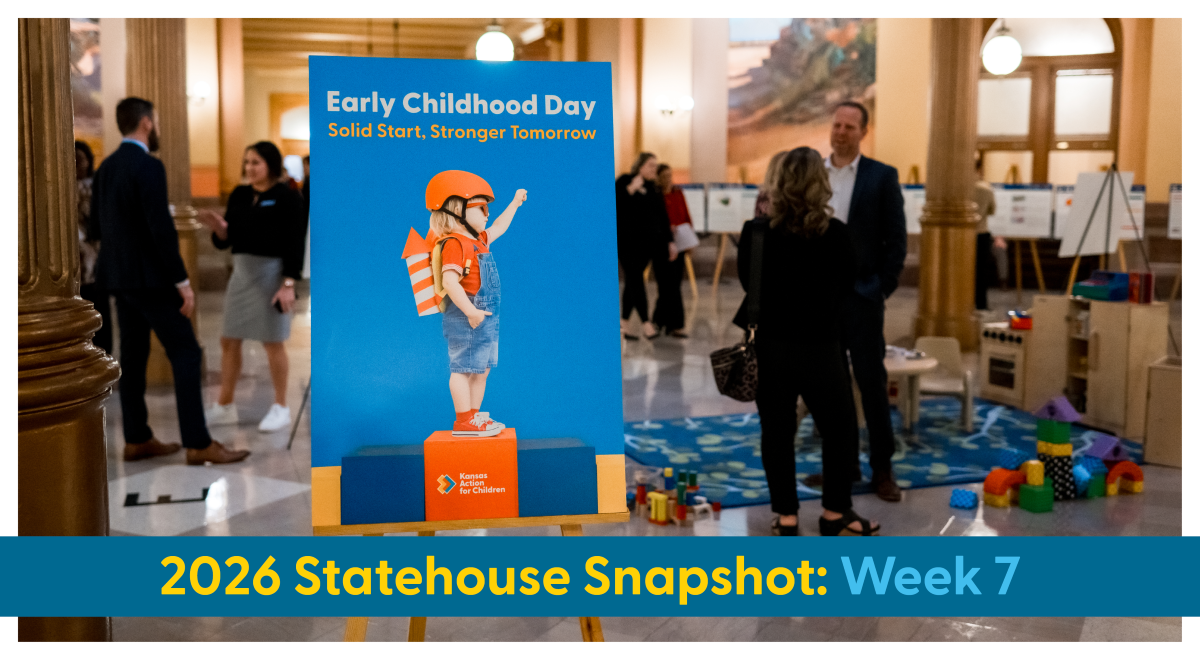
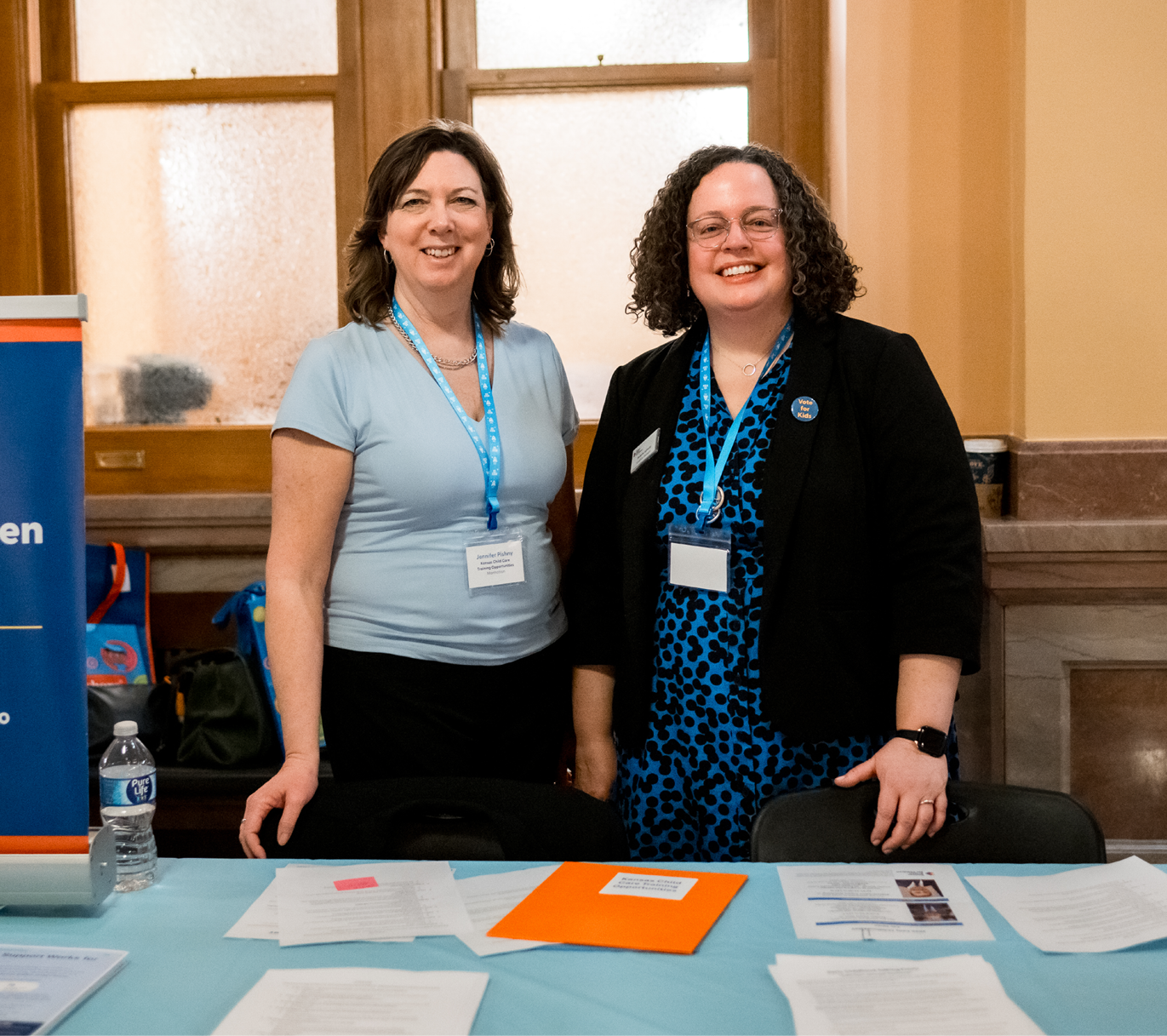
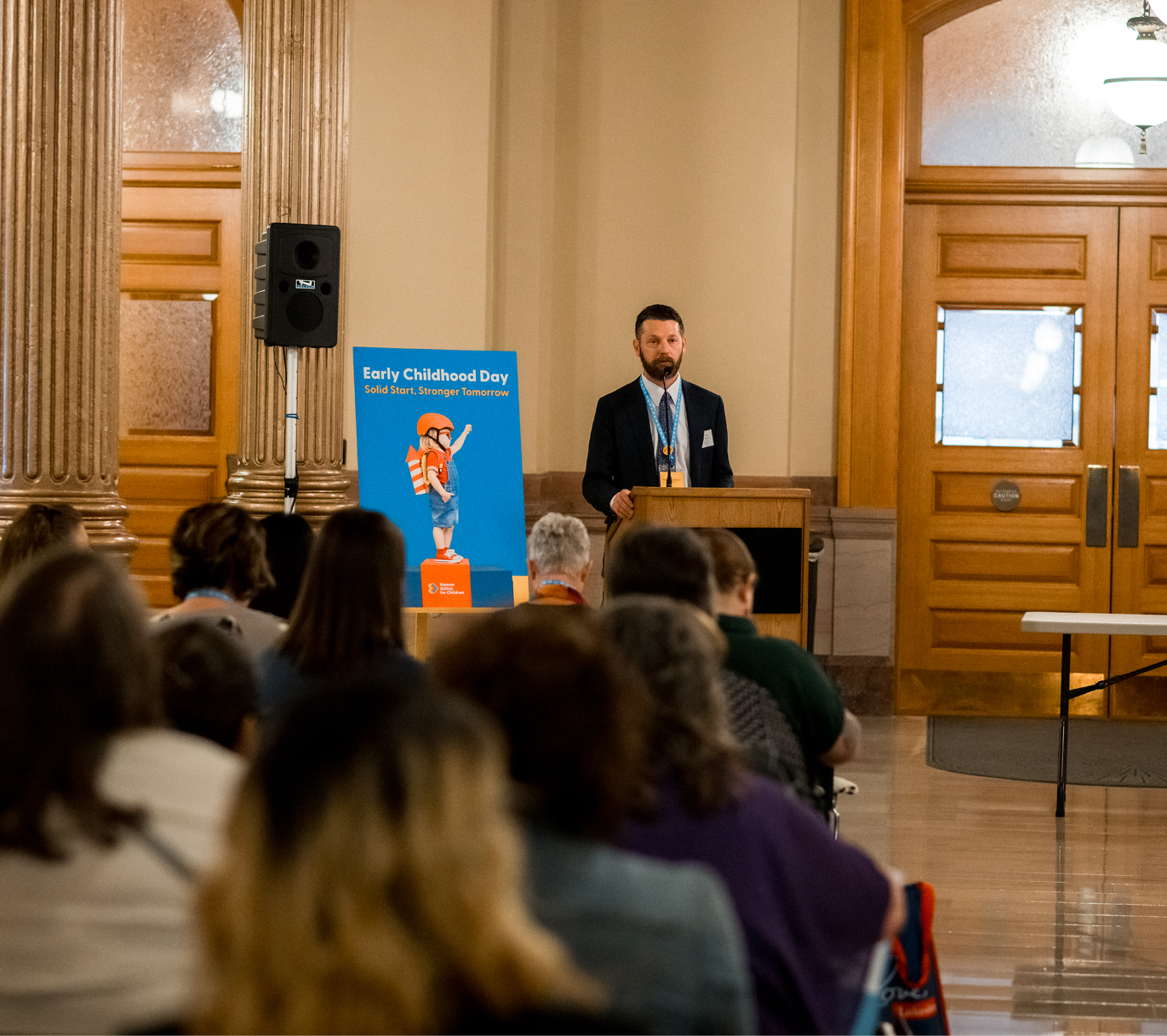
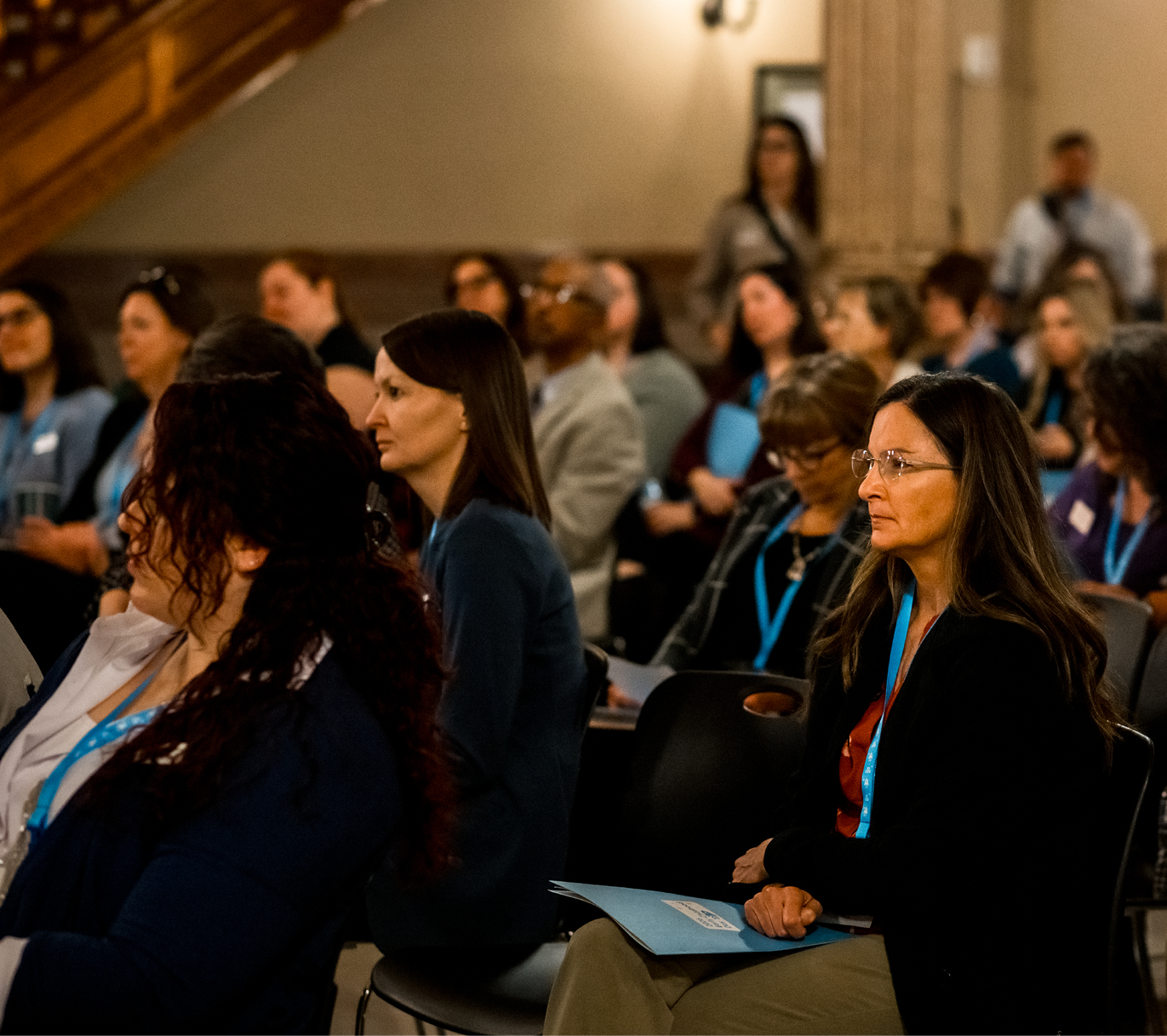
Advocates Gather to Celebrate Early Childhood
Legislature Focusing on Fraud over Kansas Families’ Needs
A slower week on economic security policies gave us some time to reflect on where lawmakers have chosen to focus their time in the first half of session. We came into the 2026 session hopeful to work on bipartisan legislation to address the power imbalance between renters and their landlords, and we’ve been pleased to see some of those bills receive hearings. HB 2357, a bill that would allow for eviction records to be expunged, even passed the House last week with overwhelming bipartisan support.
We’ve also seen some bipartisan interest on helping more Kansas students access free school meals. A bill to encourage school districts to adopt the Community Eligibility Provision (HB 2637) received a hearing in the House Education committee a couple weeks ago, and its Senate companion, SB 438, will receive a hearing in the Senate Education committee next week. A budget amendment to provide free meals for more students also found bipartisan support on the House floor this week, though it fell short of the votes needed to pass.
Despite the push from some lawmakers to provide relief to struggling families, the stronger emphasis this year continues to be on fraud, waste, and abuse — despite the lack of evidence that it’s a widespread problem.
The Kansas Department for Children and Families has 14 staff members dedicated to investigating SNAP fraud. Every year, they investigate more than 2,000 tips and nearly all cases are found to be non-fraudulent. Their team refers an average of just four cases per year for prosecution. For Medicaid, the Office of the Inspector General’s team of 10 investigated 5,500 tips over a four-year period and referred just seven of those for prosecution.
Even though Kansas already has 24 positions dedicated to fraud investigation in these two programs, and despite the rarity in which fraud is uncovered, bills focused on fraud continue to receive more attention than bills providing relief to families.
Concerningly, bills that focus on fraud often create additional red tape that results in eligible people losing much-needed assistance, leaving folks in an even more precarious situation. Several fraud-focused bills we’re tracking (SB 363 and SB 387, in particular) are on the move, passing or about to be passed by one side of the Statehouse.
There is still time for lawmakers to listen to the experiences of people who rely on these programs instead of false narratives of widespread program abuse. If you have a story to share, take the time soon to email your state senator and representative – it might just make a difference.
SB 363 Heads to Senate Floor
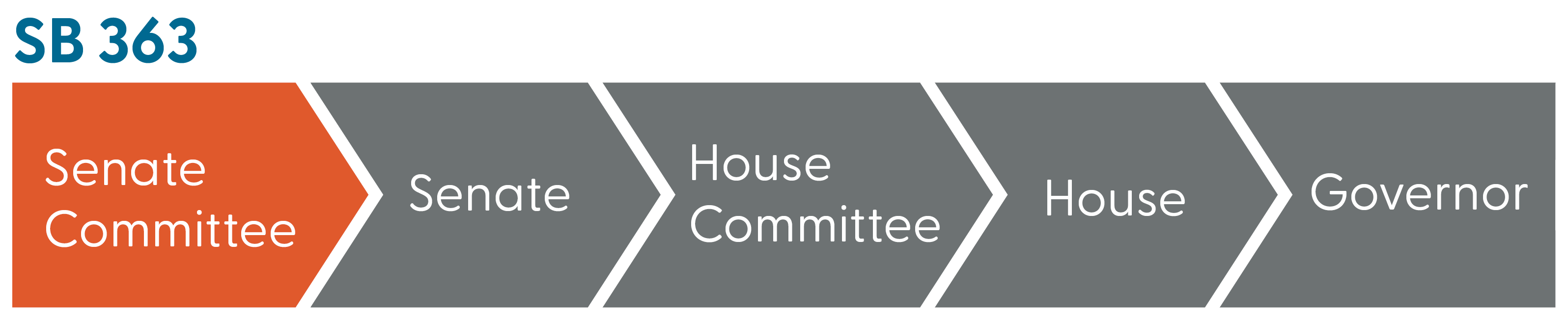
This week, the Senate Committee on Government Efficiency worked and passed out SB 363, the bill that would add burdensome system changes to all public assistance programs, especially Medicaid and SNAP. While the Committee amended the bill to carve out certain populations for one of the bill’s provisions, Kansans, including children, will still be impacted in a few ways.
First, the bill would require Medicaid enrollees undergo quarterly eligibility checks instead of annually. This week before passing the bill out to the full chamber, the Committee exempted pregnant women, those over 65, and those applying for or receiving services via a HCBS waiver from this provision.
Second, the bill would prohibit state agencies from accepting any form of self-reported information when applying for services and would require applicants and enrollees from having official proof for every aspect of their eligibility. However, agencies already require official proof for income, social security numbers, disability, and immigration/citizenship status, so added burdens to applicants to prove other criteria, like household size, may prove problematic in reality.
The bill goes beyond these two provisions, but these are the most concerning to the nearly 225,000 Kansas kids who access health coverage through the state’s Medicaid program. Additionally, other key vulnerable populations would also still be required to have quarterly redeterminations, including former foster care youth, extremely low-income parents/caregivers of kids, and people with disabilities who do not have a HCBS waiver or are not on a waiver waiting list.
While the Committee made the bill slightly better with the amendment described above and another focused on reporting why an enrollee loses eligibility, SB 363’s provisions will still result in families unable to keep up with the added scrutiny and constant requirements to prove they are “needy enough” to access crucial services. We continue to argue for a better understanding of the system’s impacts on eligible Kansans’ ability to apply for and renew their access to public assistance benefits.
As the bill is likely to hit the Senate floor for consideration this next week, we’re continuing to advocate about how this bill is not the answer to making the system more efficient and cost-effective. Instead, it’ll just result in fewer kids accessing needed health care and millions in costs to the state.
Property Tax Debates Heat Up
Both chambers made progress on their major property tax legislation this week. In the Senate, SCR 1616 passed on a vote of 30-10 with no major changes. The same can’t be said for HB 2745, which passed out of the House on a vote of 76-45 after being significantly altered.
SCR 1616 would place a constitutional amendment on the ballot on August 4. If approved by voters, that amendment would limit the growth in assessed valuation of residential property to no more than 3% annually and would roll valuations back to their 2022 levels plus 3%. KAC remains opposed to this legislation, as it would create distortions in the state’s housing market, disincentivize new construction desperately needed to address the housing shortage, and wreak havoc on state and local budgets.
While initially supportive of HB 2745 because of an incentive fund for local governments and the ability for voters to have a more balanced role in property tax increases, the House chamber morphed the bill into a much different proposal.
For instance, the threshold required for a protest petition to successfully restrict local entities from going above the 3% limit for property tax increases was lowered to an unacceptably low level. As amended, just 5% of the voters in the previous election for Secretary of State can hold the budget to the 3% limit. While we support giving voters recourse when a taxing authority seeks to raise the budget beyond the limit, the impact in many of our state’s small cities, counties, and townships is that a very small group will be able to shut down growth beyond 3% no matter how popular or necessary the reason.
Kansans have been telling lawmakers for years that property taxes are becoming too burdensome. There are other ways the Legislature could make increases more predictable without gutting local governments’ budgets – with a cascading impact on public schools and local services. If either becomes law, there may be some relief for property owners, but that savings will be at the expense of other economic impacts.
State Budget Inching Closer to the Negotiating Table
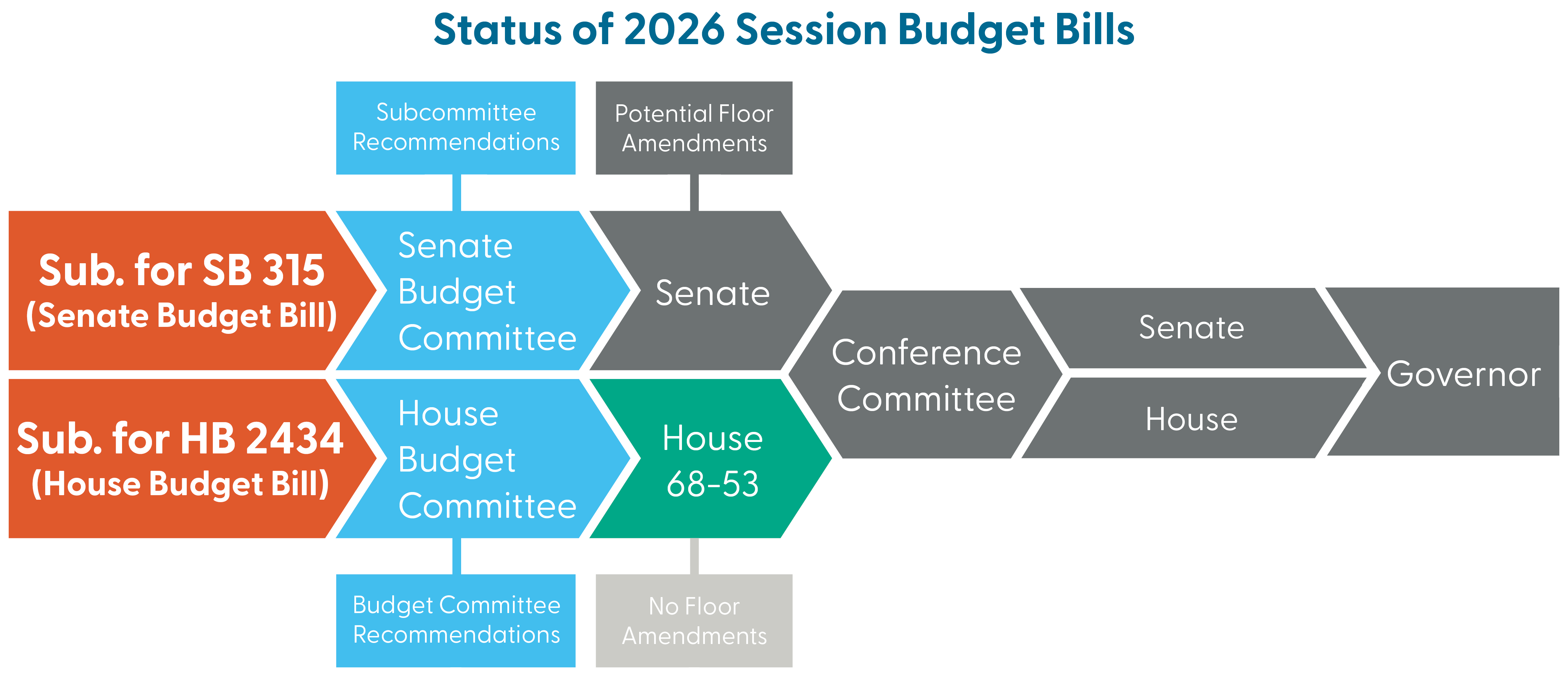
The House chamber considered its version of the budget this week. While it ultimately passed with no changes, there were a couple of notable amendments offered:
-
Two amendments were proposed to add additional funds for special education in the K-12 budget. While neither amendment passed, 52 members voted in favor of adding $14.6 million to fund K-12 special education. While this was not enough to successfully add the funds to the budget (63 votes are required), it does show support on both sides of the aisle for higher increases in special education funding.
- Another amendment would have added $2.5 million to absorb the copay for children participating in the reduced-price lunch program. This amendment had less bipartisan support with only 44 legislators voting in favor; however, it is always encouraging to see some bipartisan support for feeding hungry kids.
As lawmakers continue in their budget work, we’re reminded of the importance of their spending plan. How the state decides to spend its money each year reflects their direct priorities. Decisions to spend taxpayer dollars on programs and services vital to children, families, and communities matter because the budget determines our state’s quality of life.
The Senate is expected to follow the lead of the House and run their budget bill next week. Once the Senate has their final bill, it will head to conference committee where three members of the House and three members of the Senate will meet to iron out differences in their respective bills and return the bill to their respective chambers for a final vote.
What to Expect in Week 8

Now that lawmakers have had some time to see what the other side of the Statehouse has sent their way, committees will continue hearing bills next week. We have several on our list to weigh in on:
- On Monday in the House Committee on Education, we’ll submit testimony in opposition to SB 387, which would impact school districts’ ability to participate in the Community Eligibility Provision and require districts to verify eligibility for student’s enrolled in the free lunch program to be counted toward the at-risk funding calculation.
- On Monday in the House Committee on Taxation, we’ll provide testimony in support of HB 2783, which would increase taxes on vaping juice and direct those additional funds to the Children’s Initiatives Fund.
- On Tuesday in the House Health Committee, we’ll provide testimony in support of SB 271, which would fix a long-standing error in state law regarding the Children’s Health Insurance Program.
- On Tuesday in the Senate Tax Committee, we’ll submit opponent testimony on HB 2745, regarding property tax limits.
- On Thursday in the House Health Committee, we’ll provide testimony in support of:
Share

